


Our commitment to the environment
Environmental Policy
We view environmental sustainability as a concrete commitment that goes along with the product throughout the entire supply chain, from the agricultural production of our growers to the handling, packaging, and refrigeration stages.
Our approach is based on collaboration with farms that adopt recognized standards of good agricultural practice and responsible management of natural resources. Moreover, our approach is also extended to the organizational structure at the packing facility focused on the continuous improvement of environmental performance.
AGRICOPER branded grapes thus embody a supply chain vision in which product quality, environmental stewardship, responsible use of resources and promotion of the local area go hand in hand.
Our branded grapes
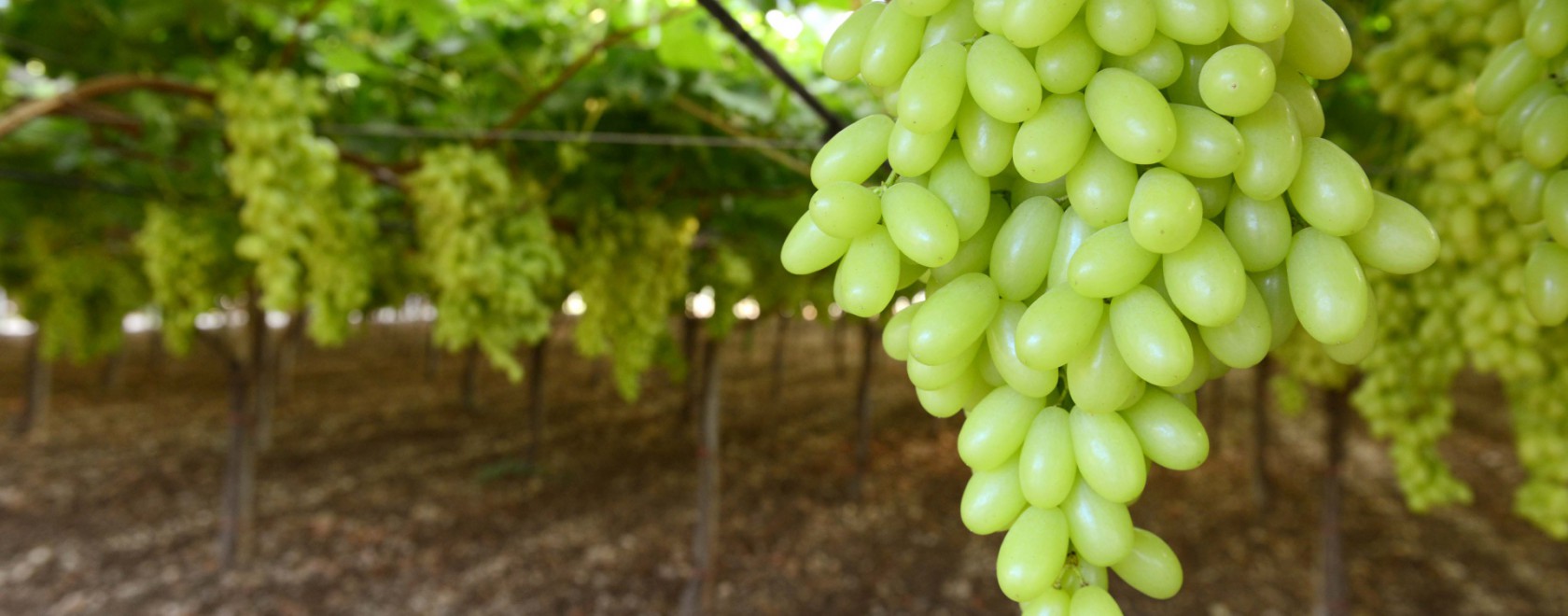
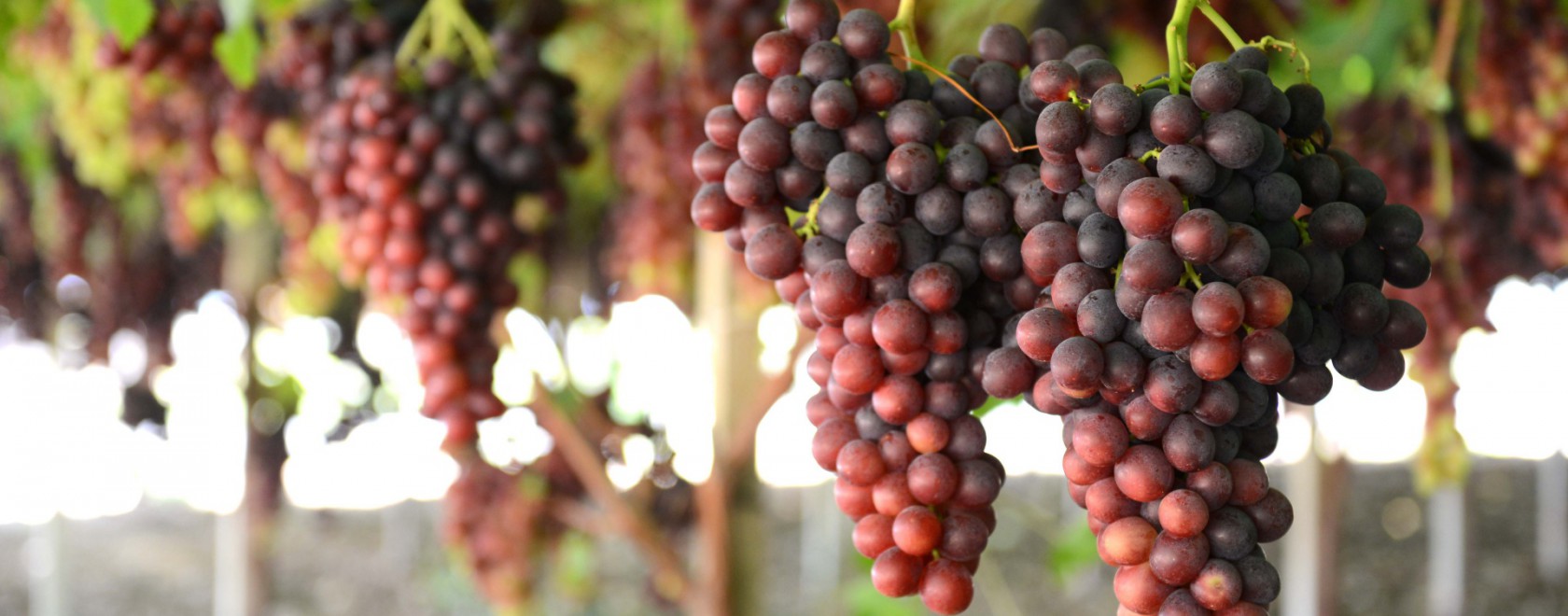
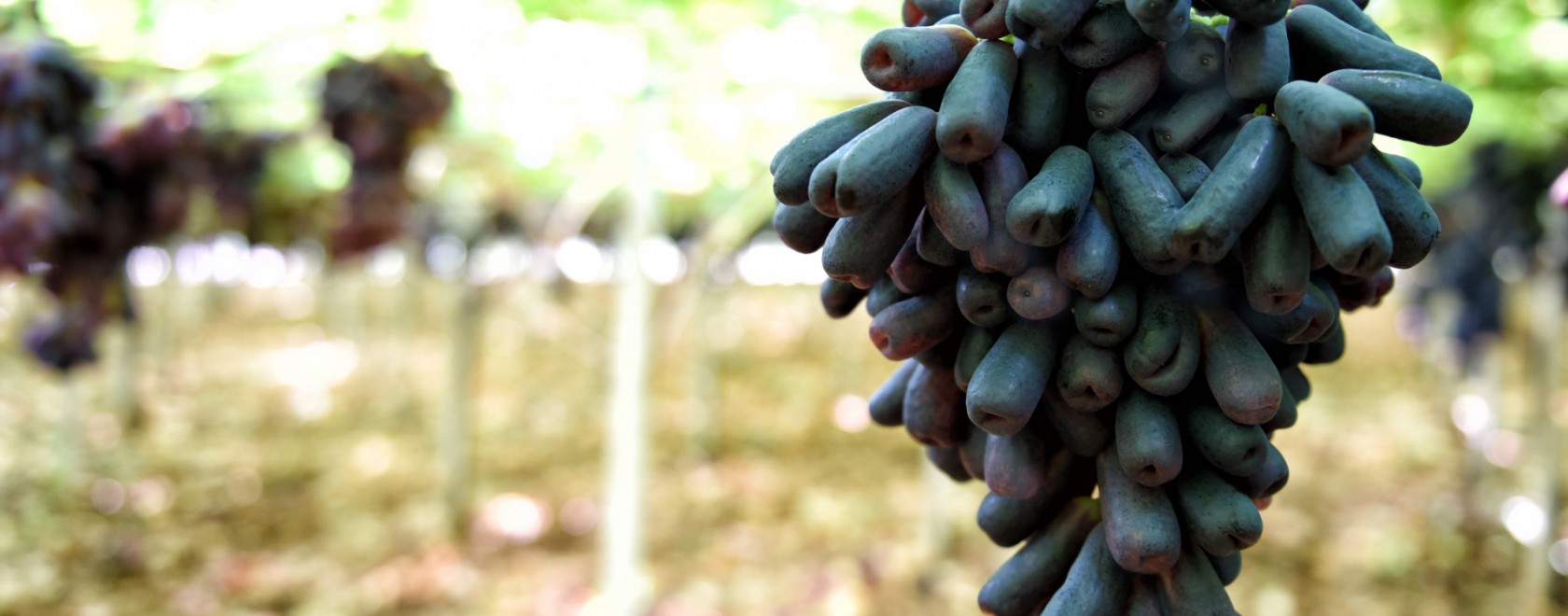
AGRICOPER branded grapes come from farms that adhere to standards and practices focused on the protection of natural resources, the proper management of production inputs, and the continuous improvement of environmental performance.
The selection of our growers prioritizes internationally recognized certification programs, with a particular focus on the protection of water, soil, biodiversity, and agricultural ecosystems.
Growers are GLOBALG.A.P. and SPRING certified; our family owned farms also hold LEAF Marque certification.
In this way, AGRICOPER supply chain is built on technical foundations that promote agriculture attentive to the legality of water withdrawals, water use efficiency, the preservation of soil fertility, pollution prevention, and the protection of habitats and the rural landscape.
Environmental standards throughout the agricultural phase
GLOBALG.A.P.
GLOBALG.A.P. serves as the foundational standard for responsible and structured agricultural management. From an environmental perspective, this standard requires a systematic approach to soil protection, proper waste management, the responsible use of fertilizers and plant protection products, the prevention of water contamination, and the protection of natural habitats on the farm or in surrounding areas.
The presence of GLOBALG.A.P. certified growers is a key indicator of environmental reliability in the agricultural phase, as it promotes documented, verifiable practices aimed at reducing risks to the environment and people.
SPRING
SPRING, a GLOBALG.A.P. add-on focused on responsible water management, specifically strengthens the oversight of water resources. Its value for the table grape supply chain is particularly significant because it promotes precise knowledge of water sources, verification of withdrawal compliance, consumption monitoring, attention to extraction rates, the protection of water source quality, and a broader vision of sustainability for the watershed and the local area. AGRICOPER branded grapes therefore come from production processes in which water conservation and responsible water management are concrete criteria for the supply chain certification.
LEAF Marque
On our family owned farms, LEAF Marque certification further strengthens the environmental profile of production. Based on the principles of Integrated Farm Management, LEAF adopts a whole-farm approach and integrates soil management, water management, energy efficiency, crop protection, pollution prevention, by-product management, biodiversity and landscape conservation, and the relationship between production activities and natural capital. This means promoting agricultural production that goes beyond mere compliance with basic regulations, aiming instead to improve the long-term balance between crop yield, product quality, and environmental protection.
Through these standards, the AGRICOPER supply chain recognizes the protection of agricultural ecosystems, the maintenance of soil fertility, the reduction of pressure on water resources, and the promotion of practices that make agriculture more resilient, efficient, and consistent with the conservation of natural resources as central priorities.
Packaging and a Focus on Circularity
During the packing process, we prioritize packaging solutions made primarily from materials that can be incorporated into established recycling streams. The main components used include paper bags, conical PP bags, rPET punnets containing 80% recycled material, and PET film.
Paper, PP, and PET/rPET are material families widely used in recovery and recycling systems. With this in mind, our choices are geared toward packaging solutions that promote, where technically feasible, the recyclability of packaging, the reduction of unnecessary components, and the use of recycled materials. The use of 80% rPET trays is a concrete example of this approach, as it promotes the use of recycled material in packaging.
We also continue to progressively improve the environmental profile of our packaging, focusing on the balance between product protection, commercial functionality, lightweight packaging, and improved end-of-life management.
Renewable Energy for Packaging and Refrigeration
Our packing facility and cold storage units are powered by a solar power system that helps cover our annual energy consumption. In 2025, the total energy generated by our solar power system accounted for 90.35% of our total consumption. Of this self-generated renewable energy, 37.38% was used for self-consumption, while 62.62% was fed into the grid during periods when the packhouse was not in operation. Ultimately, for the company’s packing and refrigeration operations, the share of renewable energy self-generated by the photovoltaic system accounted for 33.77% of total consumption.
The availability of renewable energy for handling, packaging, and refrigeration activities is a defining element of our environmental journey. The integration of self-generated photovoltaic power, in fact, strengthens the alignment between operational efficiency, energy management, and the progressive reduction of the site’s carbon footprint.
Internal goods handling is also carried out using electric vehicles, a choice that reduces the use of fossil fuels in the plant’s day-to-day operations and helps align the site’s overall energy profile more closely with the company’s environmental goals.
Environmental Best Practices
In our packing and refrigeration operations, we promote a set of environmental actions and best practices aimed at the proper management of resources and the prevention of environmental impacts. With this in mind, the company focuses on the routine maintenance of facilities, equipment, and vehicles; the proper management of water in plant processes; the prevention of leaks and waste; the reduction of food waste; the proper separation of waste; and the ongoing optimization of packaging in terms of recyclability and recycled content. These guidelines are part of an environmental strategy aimed at strengthening operational efficiency and the overall consistency of the supply chain over time.
Alongside these aspects, we intend to continue improving packaging in terms of recyclability, lightweight design, and recycled material content; to promote the use of renewable energy in packaging and refrigeration activities; and to strengthen dialogue with suppliers to foster a table grape supply chain that is increasingly attentive to the protection of natural resources and the local environment.
This environmental policy reflects the commitment of AGRICOPER to creating value through a responsible supply chain capable of combining product quality, organizational reliability, and concrete attention to the environmental aspects associated with table grapes production, handling and packing operations.
Framework for Environmental Communication
This environmental communication is guided by the principles of transparency, gradual implementation, and consistency with available evidence. For this reason, we intend to highlight our actions and results through precise, progressive, and verifiable information, avoiding generic statements not supported by adequate data or verification.
This policy is also intended to be a document that can be updated over time, in line with the evolution of company practices, available information, and the environmental improvement objectives that we intend to progressively develop.
Final Statement
AGRICOPER views environmental sustainability as a process of continuous improvement built upon concrete decisions regarding packaging, energy, internal logistics, site management, and the certification of the agricultural supply chain.
This policy is intended for the company’s corporate communications and may be updated over time to reflect progress in energy data, documented evidence, and environmental actions taken.